Todmorden psychotherapy Conference ’26
for counsellors and psychotherapists of all persuasions.
Celebrating difference.
Newsflashes!!
Tom Higgins - Circle of power and privilege Tom has unfortunately had to cancel, so this workshop is no longer available.
I realised late that the conference clashes with Happy Valley Pride. So I added a morning only ticket for those who may want to attend the first part of the day, then pop over to Hebden Bridge and celebrate. Follow the ticket link.
Todmorden psychotherapy Conference ’26
for counsellors and psychotherapists of all persuasions.
Celebrating difference.
Newsflash!
I realised that the conference clashes with Happy Valley Pride, so I added a morning only ticket for those who may want to attend the first part of the day, then pop over to Hebden Bridge and celebrate. Follow ticket link.
Todmorden
psychotherapy
Conference ’26
for counsellors and
psychotherapists
of all persuasions.
Celebrating difference.
News
I realised late that the conference clashes with Happy Valley Pride. So I added a cheaper morning only ticket. Follow ticket link.
Saturday July 25th,
9.30 – 4.30pm
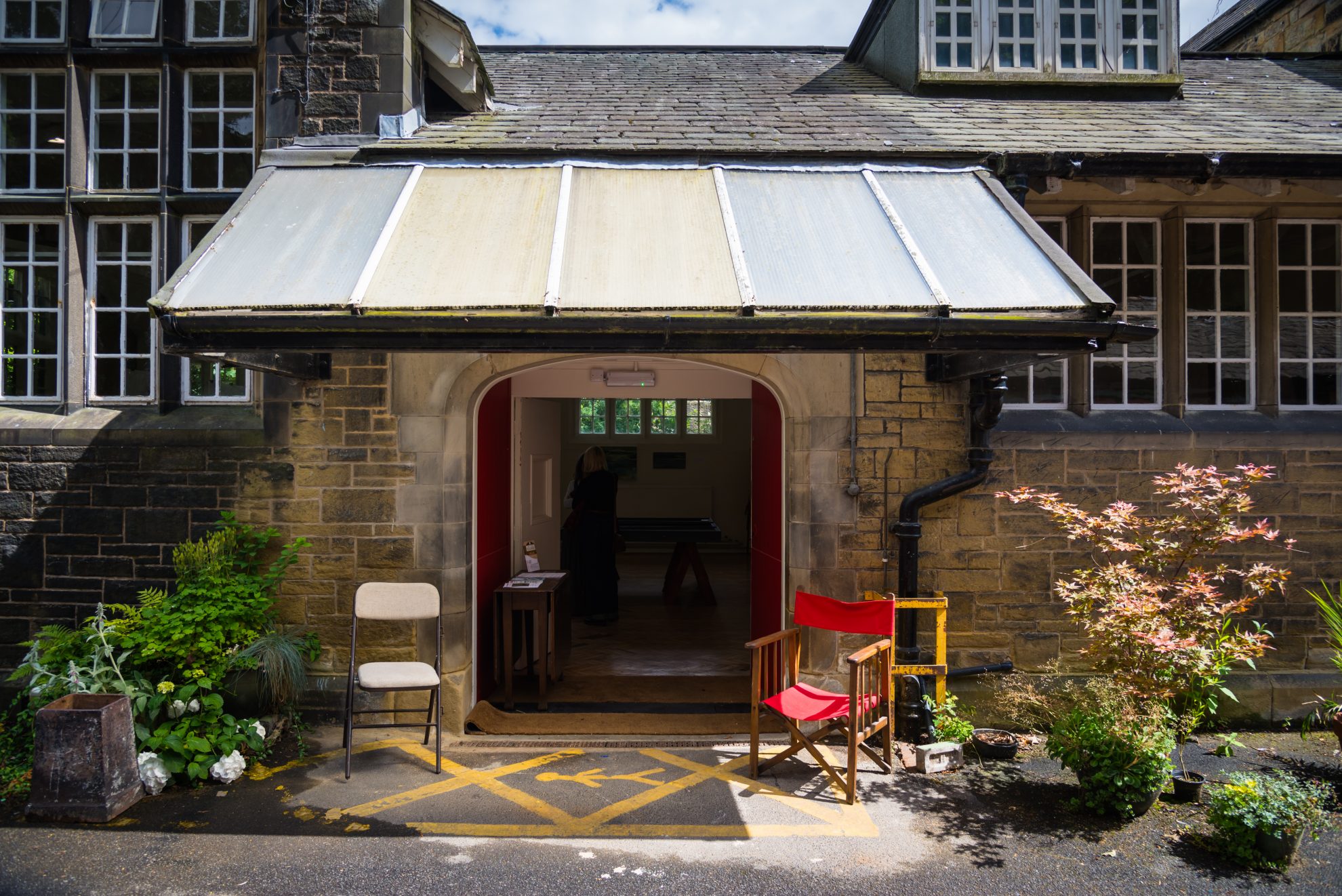
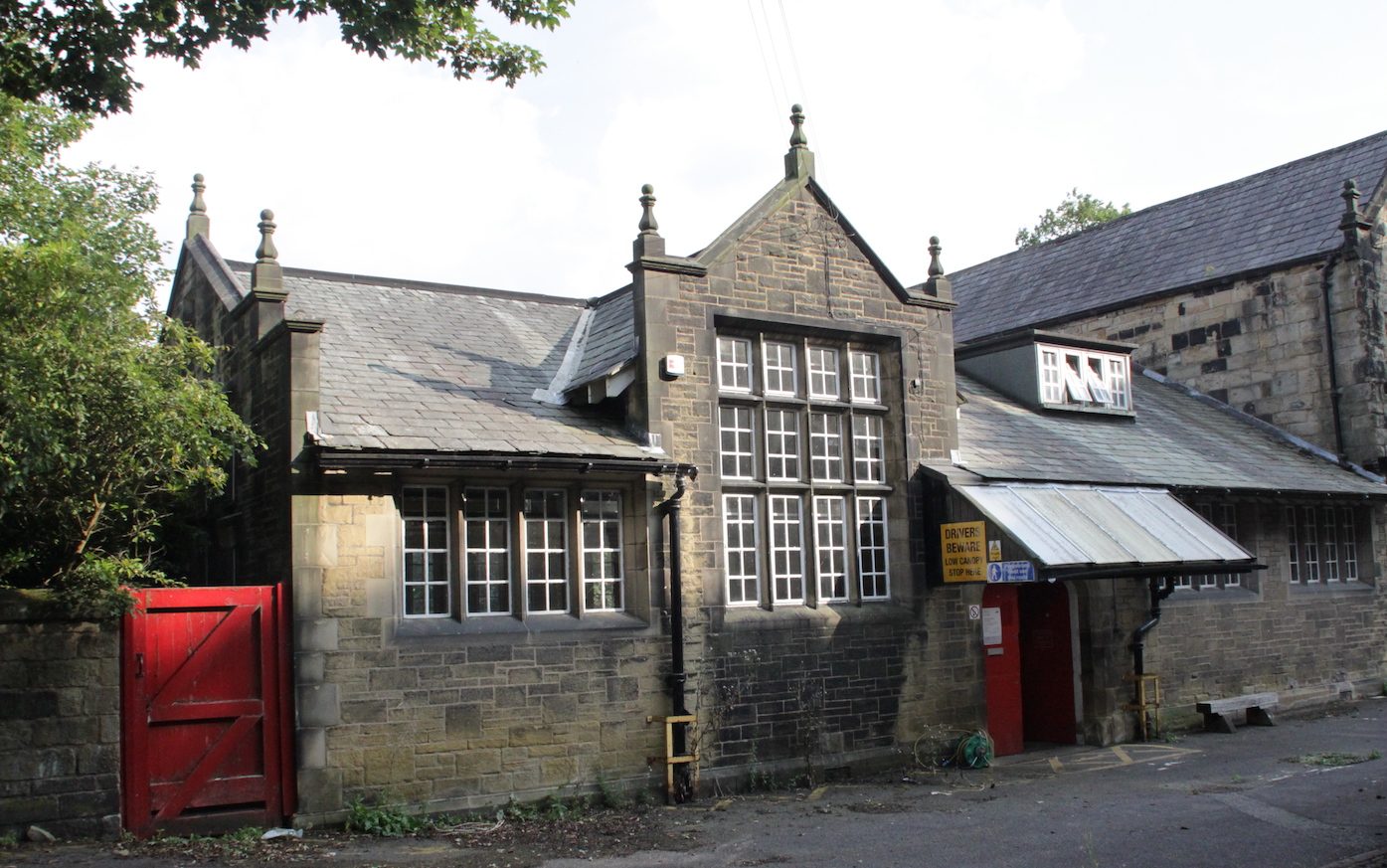
at Natural Endings, the former postal depot, rise lane, Todmorden (arrive 9.15 for 9.30am start) Lunch included.
Keynote presentation
David O'Driscoll: History of Disability Psychotherapy: an illustrated talk.
Chose from 4 short morning workshops/discussions, and 4 longer workshops in the afternoon.
- - morning workshops - -
Daniel Weaver and David o Driscoll: continuing the theme of the keynote and its relevance beyond disability psychotherapy.
Rufus May - Believe it or not - working with people who have very different ideas or beliefs.
Clare Pearl and Polly Blackley - discussion on supervision and peer supervision
- afternoon workshops - -
Lohani Noor: Beyond the blueprint working with diverse relationships.
Emma swales: Making loving contact: embodied attunement in relationship
Viola McCleod: Cultural Grief and loss: beyond bereavement.
David o Driscoll: working with learning disabled clients
Saturday July 25th,
9.30 – 4.30pm
at Natural Endings, the former postal depot, rise lane, Todmorden (arrive 9.15 for 9.30am start) Lunch included.
Keynote presentation
David O'Driscoll: History of Disability Psychotherapy: an illustrated talk.
Chose from 4 short morning workshops/discussions, and 4 longer workshops in the afternoon.
- - morning workshops - -
Daniel Weaver and David o Driscoll: continuing the theme of the keynote and its relevance beyond disability psychotherapy.
Rufus May - Believe it or not - working with people who have very different ideas or beliefs.
Clare Pearl and Polly Blackley - discussion on supervision and peer supervision
- afternoon workshops - -
Lohani Noor: Beyond the blueprint working with diverse relationships.
Emma swales: Making loving contact: embodied attunement in relationship
Viola McCleod: Cultural Grief and loss: beyond bereavement.
David o Driscoll: working with learning disabled clients

Workshop information (with info on presenters below)
Workshop information (presenter info below)
Keynote -
This fascinating story is also a history of the anxiety towards disability that society has exhibited through its attitudes to the care, welfare and humanity of people with disabilities. Illustrated with examples of people (physicians, carers, researchers and other pioneers) who have lobbied and agitated for the rights and fair treatment of vulnerable people. I offer this as a kind of keynote speech for the conference as it holds within it so many parallels to the struggles by marginalised groups to be heard, accepted or afforded rights. In this case, a group who often cannot advocate for themselves.
- - - AM workshops 11-12.15 - - - -
Daniel Weaver and David o Driscoll: Continuing discussion on the theme of the keynote. Exploring the relevance to us all of working with disability and difference.
Rufus May - Believe it or not - working with people who have very different ideas or beliefs.
Clare Pearl and Polly Blackley - discussion on supervision and peer supervision. This topic comes up every year, so I asked my peers and long time devotees of supportive and reflective groups to lead a discussion on how this can support your work. They will also share some ideas about how supervision can work in both professional and peer settings.
- - - Afternoon workshops 2 - 4 pm - - - -
Lohani Noor: diverse relationships. Join Lohani Noor for a thought provoking workshop on the changing face of relationships
What if difference isn't a problem to be solved, but the very ground of authentic relating?
This workshop offers a bold reframe: what if the distress we see in our consulting rooms, low desire, performance anxiety, identity shame, is often not pathology. It's the painful symptom of trying to fit a unique self into a one-size-fits-all blueprint.
Drawing on Transactional Analysis and psychosexual therapy, we'll explore practical tools to help clients move from default to design, from fitting in to authentic belonging. Come celebrate the many shapes of love, and leave with interventions you can use on Monday morning.
Emma Swales: Making loving contact: embodied attunement in relationship
Moments of love are experienced through elevated levels of interpersonal physiological synchrony across multiple domains. In other words: when we are deeply attuned to another being, our bodies and brains tune into each other, and we get ‘in sync’. Domains of our being, such as the endocrine system, cardiovascular system or movement, can be in or out of awareness; our bodies receive and respond to the unconscious signals transmitted by others. When we synchronise across these domains, it can be a profoundly connected experience, and can feel like a moment of love.
This workshop will explore how a subjective experience of difference can affect our capacity to experience moments of love. I will present a new framework for understanding these experiences. The workshop will be based on current research evidence, and will include an experiential exercise and discussion.
Emma’s research interests include embodied experiences in relationships. Her book - Moments of Love - Embodied Attunement in Therapy, will be published in the Autumn.
Viola McCloud: Cultural Grief and loss: beyond bereavement.
This workshop will include some case studies and reflections from working in a highly diverse field. It hopes to define cultural grief and cultural bereavement and differentiate them from traditional bereavement. E.g. Grief not related to death
Loss of systems, place, identity, social fabric, experiences of displacement and disconnection.
To identify some hidden forms of loss, including homeland, language, identity, roles, and intergenerational grief.
To recognise how cultural grief shows up in therapy (presentations, behaviours, “symptoms”) and help you support clients experiencing cultural bereavement using culturally‑responsive approaches.
Through discussions and smaller groups you will reflect on your own cultural lens in conceptualising grief.
David o Driscoll: working with learning disabled clients: Including some case study material to discuss how we might work with People with a Learning Disability and how many forms of disability present without us being fully aware of them. Sharing many years of experience with this diverse, vulnerable and often missed client group, this should be of interest to all therapists.
- - - 4-4.30 - - - -
Final discussion and feedback in the main hall
Workshops will be structured to give practical experience and theoretical underpinnings,
Keynote - The history of Disability Psychotherapy
This fascinating story is also a history of the anxiety towards disability that society has exhibited through its attitudes to the care, welfare and humanity of people with disabilities. Illustrated with examples of people (physicians, carers, researchers and other pioneers) who have lobbied and agitated for the rights and fair treatment of vulnerable people. I offer this as a keynote speech for the conference as it holds within it so many parallels to the struggles by marginalised groups to be heard, accepted or afforded rights and dignity. In this case, a group who often cannot advocate for themselves, but who, with appropriate support, might also be afforded the chances to grow, learn and fully develop their abilities.
I have found the needs of this client group to be universal, normal, typical etc I hope that this talk illuminates themes we can all identify with and feel passionate about as practitioners.
- - - AM workshops 11-12.15 - - - - Choose one
Daniel Weaver and David o Driscoll: Continuing discussion on the theme of the keynote. Picking up on the questions from the room. Exploring the relevance to us all of working with disability and difference.
Rufus May - Believe it or not - working with people who have very different ideas or beliefs.
How do we work with different belief systems? This workshop will explore a relational approach to the stories we tell ourselves about the world; How we connect with and dialogue with people with different views, beliefs and experiences. It will be an interactive workshop where we will look at our own experiences of beliefs as well as how we support others who may have different beliefs to ourselves.
Clare Pearl and Polly Blackley - Building a culture of safety and support in our work together - a discussion on peer supervision. This topic comes up every year, so I asked my peers and long time devotees of supportive and reflective groups to lead a discussion on how this can support your work. They will invite discussion on the nuts and bolts of developing a group culture, and offer an exploration of themes such as awareness of privilege and difference among group members, the benefits of sharing work with peers, and the challenges that may arise when working together.
- - - Afternoon workshops 2 - 4 pm - - - - Choose one
Lohani Noor: diverse relationships. Join Lohani Noor for a thought provoking workshop on the changing face of relationships
What if difference isn't a problem to be solved, but the very ground of authentic relating?
This workshop offers a bold reframe: what if the distress we see in our consulting rooms, low desire, performance anxiety, identity shame, is often not pathology. It's the painful symptom of trying to fit a unique self into a one-size-fits-all blueprint.
Drawing on Transactional Analysis and psychosexual therapy, we'll explore practical tools to help clients move from default to design, from fitting in to authentic belonging. Come celebrate the many shapes of love, and leave with interventions you can use on Monday morning.
Emma Swales: Making loving contact: embodied attunement in relationship
Moments of love are experienced through elevated levels of interpersonal physiological synchrony across multiple domains. In other words: when we are deeply attuned to another being, our bodies and brains tune into each other, and we get ‘in sync’. Domains of our being, such as the endocrine system, cardiovascular system or movement, can be in or out of awareness; our bodies receive and respond to the unconscious signals transmitted by others. When we synchronise across these domains, it can be a profoundly connected experience, and can feel like a moment of love.
This workshop will explore how a subjective experience of difference can affect our capacity to experience moments of love. I will present a new framework for understanding these experiences. The workshop will be based on current research evidence, and will include an experiential exercise and discussion.
Emma’s research interests include embodied experiences in relationships. Her book - Moments of Love - Embodied Attunement in Therapy, will be published in the Autumn.
Viola McCloud: Cultural Grief and loss: beyond bereavement.
This workshop will include some case studies and reflections from working in a highly diverse field. It hopes to define cultural grief and cultural bereavement and differentiate them from traditional bereavement. E.g. Grief not related to death
Loss of systems, place, identity, social fabric, experiences of displacement and disconnection. To identify some hidden forms of loss, including homeland, language, identity, roles, and intergenerational grief. To recognise how cultural grief shows up in therapy (presentations, behaviours, “symptoms”) and help you support clients experiencing cultural bereavement using culturally‑responsive approaches.
Through discussions and smaller groups you will reflect on your own cultural lens in conceptualising grief.
David o Driscoll: working with learning disabled clients: Including some case study material to discuss how we might work with People with a Learning Disability and how many forms of disability present without us being fully aware of them. Sharing many years of experience with this diverse, vulnerable and often missed client group, this should be of interest to all therapists.
- - - 4-4.30 - - - -
Final discussion and feedback in the main hall
Workshops will be structured to give practical experience and theoretical underpinnings,and are facilitated to encourage questions and practical explorations to suit the participants’ needs and interests.
Keynote - The history of Disability Psychotherapy
This fascinating story is also a history of the anxiety towards disability that society has exhibited through its attitudes to the care, welfare and humanity of people with disabilities. Illustrated with examples of people (physicians, carers, researchers and other pioneers) who have lobbied and agitated for the rights and fair treatment of vulnerable people. I offer this as a keynote speech for the conference as it holds within it so many parallels to the struggles by marginalised groups to be heard, accepted or afforded rights and dignity. In this case, a group who often cannot advocate for themselves, but who, with appropriate support, might also be afforded the chances to grow, learn and fully develop their abilities.
I have found the needs of this client group to be universal, normal, typical etc I hope that this talk illuminates themes we can all identify with and feel passionate about as practitioners.
- - - AM workshops 11-12.15 - - - - Choose one
Daniel Weaver and David o Driscoll: Continuing discussion on the theme of the keynote. Picking up on the questions from the room. Exploring the relevance to us all of working with disability and difference.
Rufus May - Believe it or not - working with people who have very different ideas or beliefs.
How do we work with different belief systems? This workshop will explore a relational approach to the stories we tell ourselves about the world; How we connect with and dialogue with people with different views, beliefs and experiences. It will be an interactive workshop where we will look at our own experiences of beliefs as well as how we support others who may have different beliefs to ourselves.
Clare Pearl and Polly Blackley - Building a culture of safety and support in our work together - a discussion on peer supervision. This topic comes up every year, so I asked my peers and long time devotees of supportive and reflective groups to lead a discussion on how this can support your work. They will invite discussion on the nuts and bolts of developing a group culture, and offer an exploration of themes such as awareness of privilege and difference among group members, the benefits of sharing work with peers, and the challenges that may arise when working together.
- - - Afternoon workshops 2 - 4 pm - - - - Choose one
Lohani Noor: diverse relationships. Join Lohani Noor for a thought provoking workshop on the changing face of relationships
What if difference isn't a problem to be solved, but the very ground of authentic relating?
This workshop offers a bold reframe: what if the distress we see in our consulting rooms, low desire, performance anxiety, identity shame, is often not pathology. It's the painful symptom of trying to fit a unique self into a one-size-fits-all blueprint.
Drawing on Transactional Analysis and psychosexual therapy, we'll explore practical tools to help clients move from default to design, from fitting in to authentic belonging. Come celebrate the many shapes of love, and leave with interventions you can use on Monday morning.
Emma Swales: Making loving contact: embodied attunement in relationship
Moments of love are experienced through elevated levels of interpersonal physiological synchrony across multiple domains. In other words: when we are deeply attuned to another being, our bodies and brains tune into each other, and we get ‘in sync’. Domains of our being, such as the endocrine system, cardiovascular system or movement, can be in or out of awareness; our bodies receive and respond to the unconscious signals transmitted by others. When we synchronise across these domains, it can be a profoundly connected experience, and can feel like a moment of love.
This workshop will explore how a subjective experience of difference can affect our capacity to experience moments of love. I will present a new framework for understanding these experiences. The workshop will be based on current research evidence, and will include an experiential exercise and discussion.
Emma’s research interests include embodied experiences in relationships. Her book - Moments of Love - Embodied Attunement in Therapy, will be published in the Autumn.
Viola McCloud: Cultural Grief and loss: beyond bereavement.
This workshop will include some case studies and reflections from working in a highly diverse field. It hopes to define cultural grief and cultural bereavement and differentiate them from traditional bereavement. E.g. Grief not related to death
Loss of systems, place, identity, social fabric, experiences of displacement and disconnection. To identify some hidden forms of loss, including homeland, language, identity, roles, and intergenerational grief. To recognise how cultural grief shows up in therapy (presentations, behaviours, “symptoms”) and help you support clients experiencing cultural bereavement using culturally‑responsive approaches.
Through discussions and smaller groups you will reflect on your own cultural lens in conceptualising grief.
David o Driscoll: working with learning disabled clients: Including some case study material to discuss how we might work with People with a Learning Disability and how many forms of disability present without us being fully aware of them. Sharing many years of experience with this diverse, vulnerable and often missed client group, this should be of interest to all therapists.
- - - 4-4.30 - - - -
Final discussion and feedback in the main hall
Workshops will be structured to give practical experience and theoretical underpinnings,and are facilitated to encourage questions and practical explorations to suit the participants’ needs and interests.
David O'Driscoll works as a psychoanalytic psychotherapist specialising in loss and bereavement for Hertfordshire Partnership University NHS Foundation Trust. This involves individual and group work with service users as well as training and consultancy to staff teams. He has had two periods as NHS Historical Worker in Hertfordshire in 2001 and 2006. He is also a Research Fellow at Centre for Learning Disability Research, Hertfordshire University. David has recently re-started the Hertfordshire history group with Professor Bob Gates. His background prior to working in NHS has been in social work with over twenty five years of experience. From 2003 David was a director for the charity, Respond. He is joint conveyor for the learning disability section of the Association for Psychoanalytic Psychotherapy in the National Health Service (APP), founder member of the Institute of Disability and Psychotherapy (IPD) and is also a member of the Social History of the Learning Disability Research Group based at The Open University.
Lohani Noor is the Founding Director for ThIRST (The Institute for Relational and Sexual therapies). She is an experienced Psychotherapist and Psychosexual practitioner, accredited with COSRT and registered with UKCP. Lohani has a MSc in Psychosexual Therapies, a PGDip in Transactional Analysis and a PGDip in Urban Education, she also has a Cert Ed in Teaching post16 and is a qualified assessor.Lohani has worked therapeutically with a wide range of clients in a wide range of settings including significant mental health, drug and alcohol dependent men and sex offenders. Lohani sits on the board of trustees for COSRT. She is the author of Audible Classic: 12 Steps to Sexual Connection.
Viola Mcleod MBACP, Counselling | NLP | HypnotherapyD.Hyp CH Person-Centred Counsellor, Hypnotherapist, NLP Master PractitionerViola is a counsellor with Respect for All a charity providing specialist counselling for people with learning disabilities and autism in Manchester. I’m a qualified integrative therapist offering Counselling, Neuro‑Linguistic Programming (NLP) and Hypnotherapy, supporting individuals who want to understand themselves more deeply, break unhelpful patterns, or step into a calmer, more empowered version of life. Alongside my professional training, I also bring something deeply personal to my work: lived experience of neurodivergence. I understand, from the inside, how a uniquely wired mind can experience the world—how intensity, sensitivity, creativity, focus, overwhelm or unconventional organisation can shape daily life… and how much strength, pattern‑awareness and insight can live within that difference. This perspective allows me to offer therapy that is neurodivergent‑affirming, trauma‑aware and respectful of the many valid ways a mind can experience, process and express. You are welcome to arrive exactly as you are. Sessions are flexible - adapting to your needs, communication styles and emotional rhythms. Nothing about you needs to be masked.Emma Swales BSc. (Hons) Social Sciences (Psychology).
Dr Emma Swales is a UKCP registered, certified transactional analysis psychotherapist and supervisor, working in private practice since 2009. Her background is in the third sector, working for many years for Women’s Aid and a mental health charity; she has an MA in psychotherapy and a professional doctorate in counselling and psychotherapy studies. Her speciality and research interests are the bodily held experience of attachment, relationship, and early developmental trauma, and her first book, Moments of Love – embodied attunement in therapy, will be published in September 2026. She is based in rural North Yorkshire, where she loves to go for long walks with her lurcher, Mouse.
Rufus May works as a clinical psychologist and leads a psychology team in In-patient settings across Manchester. He is a volunteer and facilitator of a Hearing Voices group in Bradford which has been running since 2003.
Daniel Weaver is an integrative therapist working in private practise (Todmordentherapy) and for the charity www.Respectforall.org. As organiser of the Todmorden conference he hopes to bring together the experience, curiousity and richness of the psychotherapy in all it's diversity.
Clare Pearl is a psychotherapist and supervisor working with adults and young people in private practice. She is both encouraged and challenged by her long-established peer supervision group, as well as in her one-to-one work with supervisors from other backgrounds and modalities. She is currently running a supervision group in Todmorden exploring the seven-eyed model of supervision, and is curious about finding ways to stay present and embodied when faced with situations that might feel intimidating and exposing.
Presenter information.
David O'Driscoll works as a psychoanalytic psychotherapist specialising in loss and bereavement for Hertfordshire Partnership University NHS Foundation Trust. This involves individual and group work with service users as well as training and consultancy to staff teams. He has had two periods as NHS Historical Worker in Hertfordshire in 2001 and 2006. He is also a Research Fellow at Centre for Learning Disability Research, Hertfordshire University. David has recently re-started the Hertfordshire history group with Professor Bob Gates. His background prior to working in NHS has been in social work with over twenty five years of experience. From 2003 David was a director for the charity, Respond. He is joint conveyor for the learning disability section of the Association for Psychoanalytic Psychotherapy in the National Health Service (APP), founder member of the Institute of Disability and Psychotherapy (IPD) and is also a member of the Social History of the Learning Disability Research Group based at The Open University.
Lohani Noor is the Founding Director for ThIRST (The Institute for Relational and Sexual therapies). She is an experienced Psychotherapist and Psychosexual practitioner, accredited with COSRT and registered with UKCP. Lohani has a MSc in Psychosexual Therapies, a PGDip in Transactional Analysis and a PGDip in Urban Education, she also has a Cert Ed in Teaching post16 and is a qualified assessor.Lohani has worked therapeutically with a wide range of clients in a wide range of settings including significant mental health, drug and alcohol dependent men and sex offenders. Lohani sits on the board of trustees for COSRT. She is the author of Audible Classic: 12 Steps to Sexual Connection
Viola Mcleod MBACP, Counselling | NLP | HypnotherapyD.Hyp CH Person-Centred Counsellor, Hypnotherapist, NLP Master PractitionerViola is a counsellor with Respect for All a charity providing specialist counselling for people with learning disabilities and autism in Manchester.I’m a qualified integrative therapist offering Counselling, Neuro‑Linguistic Programming (NLP) and Hypnotherapy, supporting individuals who want to understand themselves more deeply, break unhelpful patterns, or step into a calmer, more empowered version of life.Alongside my professional training, I also bring something deeply personal to my work: lived experience of neurodivergence. I understand, from the inside, how a uniquely wired mind can experience the world—how intensity, sensitivity, creativity, focus, overwhelm or unconventional organisation can shape daily life… and how much strength, pattern‑awareness and insight can live within that differenceThis perspective allows me to offer therapy that is neurodivergent‑affirming, trauma‑aware and respectful of the many valid ways a mind can experience, process and express. You are welcome to arrive exactly as you are. Sessions are flexible - adapting to your needs, communication styles and emotional rhythms. Nothing about you needs to be masked.Emma Swales BSc. (Hons) Social Sciences (Psychology)
Dr Emma Swales is a UKCP registered, certified transactional analysis psychotherapist and supervisor, working in private practice since 2009. Her background is in the third sector, working for many years for Women’s Aid and a mental health charity; she has an MA in psychotherapy and a professional doctorate in counselling and psychotherapy studies. Her speciality and research interests are the bodily held experience of attachment, relationship, and early developmental trauma, and her first book, Moments of Love – embodied attunement in therapy, will be published in September 2026. She is based in rural North Yorkshire, where she loves to go for long walks with her lurcher, Mouse.
Rufus May works as a clinical psychologist and leads a psychology team in In-patient settings across Manchester. He is a volunteer and facilitator of a Hearing Voices group in Bradford which has been running since 2003.
Daniel Weaver is an integrative therapist working in private practise (Todmordentherapy.co.uk) and for the charity www.Respectforall.org. As organiser of the Todmorden conference he hopes to bring experience, curiousity and richness together, in all it's diversity.
Saturday July 25th, 9.30 – 4.30pm at Natural Endings, the former postal depot, rise lane, Todmorden (arrive 9.15 for 9.30am start) Lunch included.
Sat July25th 9.30-4.30, with lunch included £65.
Arrive 9.15 latest please
Saturday July25th 9.30-4.30 £65 incl lunch
Not all spaces are accessible, but there is an accessible toilet in the main hall.
Not all spaces are accessible, but there is an accessible toilet in the main hall. Please contact for accessibility info. Reasonable adjustments wherever possible.